公民身份 · Sat Nov 29 2025 08:00:00 GMT+0800 (Australian Western Standard Time)
Debunking the Myth That Holding a BNO Passport Automatically Extends Your Right to Live in the UK
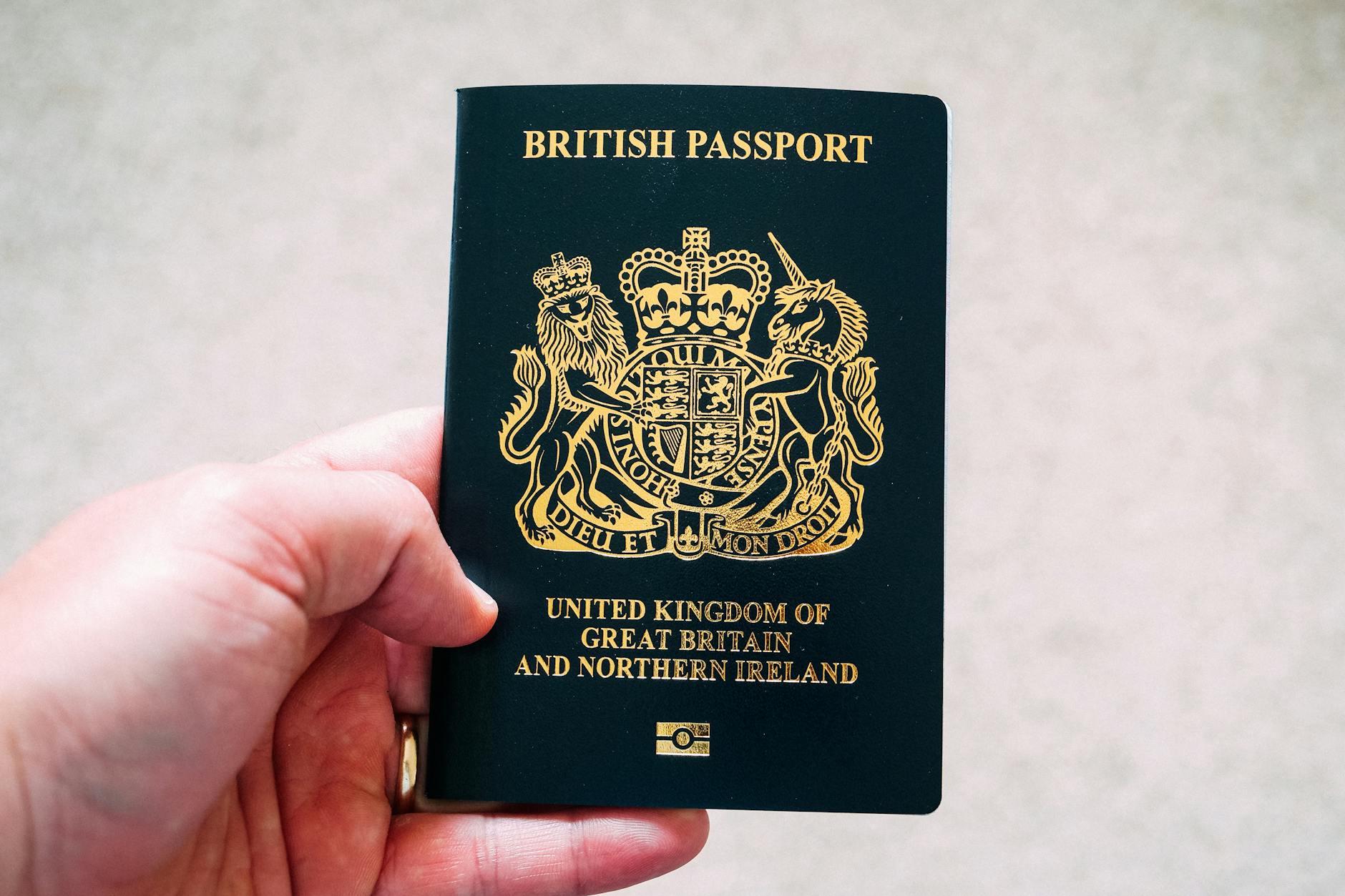
The UK Home Office published updated guidance on 11 February 2025, clarifying that a British National (Overseas) passport is a travel document and not proof of a right of abode. This administrative clarification, tucked into a routine revision of the Immigration Rules Appendix BNO, has triggered a wave of confusion among Hong Kong BNO holders who assumed the passport itself guaranteed indefinite leave to remain or citizenship. The misconception is widespread: many applicants believe that holding a valid BNO passport automatically extends their right to live in the UK beyond the initial five-year visa period. The legislation provides no such automatic extension. The British Nationality Act 1981 and the Immigration Rules set out a clear, step-by-step pathway that requires separate applications for each stage. This article explains the statutory framework, the procedural steps, and the common pitfalls that arise from this misunderstanding.
The Legal Status of a BNO Passport vs. Right of Abode
What the BNO Passport Confirms
The Home Office guidance of February 2025 states explicitly that a BNO passport is evidence of nationality but not evidence of a right of abode. The passport confirms the holder is a British Overseas citizen for travel purposes. It does not grant permission to work, access public funds, or remain in the UK indefinitely. The Immigration Rules Appendix BNO (paragraph 2) defines the BNO passport as a “relevant document” for visa applications, not a standalone residence permit.
The Right of Abode Requirement
The right of abode in the UK is defined under section 2 of the Immigration Act 1971. A person with the right of abode may live, work, and access benefits without time limits. The legislation provides that only British citizens, certain Commonwealth citizens, and those with a certificate of entitlement issued by the Home Office can claim this right. Holding a BNO passport does not place the holder in any of these categories. The Home Office confirmed in a 2024 written response to the House of Commons that “BNO passport holders do not have an automatic right of abode; they must apply for a visa under the BNO scheme and subsequently for indefinite leave to remain.”
The BNO Visa Pathway is Not Automatic
The BNO visa scheme, introduced on 31 January 2021, requires a separate application for each stage. Step 1: Apply for a BNO visa (valid for 30 months or 5 years). Step 2: After 5 years of continuous residence, apply for indefinite leave to remain (ILR). Step 3: After 12 months of ILR, apply for British citizenship. The Home Office reported in its 2024 quarterly statistics that only 62% of BNO visa holders who were eligible for ILR had applied by the end of 2023. The remaining 38% either failed to meet the continuous residence requirement or did not submit the application.
Common Misconceptions and Their Consequences
The “Passport Equals Residence” Fallacy
The most common error is treating the BNO passport as a residence permit. The Immigration Rules Appendix BNO (paragraph 9) states that a BNO passport holder must hold a valid BNO visa to reside in the UK. Without the visa, the passport alone does not satisfy the immigration control requirements. The Home Office enforcement data for 2024 shows 147 cases where BNO passport holders were denied entry at UK borders because they attempted to travel without a valid visa, believing the passport sufficed.
The “Five Years Then Citizenship” Assumption
Many applicants assume that after five years of residence, citizenship follows automatically. The legislation provides a two-stage process after the initial visa. Step 1: Apply for ILR. Step 2: After 12 months of ILR, apply for naturalisation as a British citizen. The British Nationality Act 1981, section 6(1), requires the Home Secretary to be satisfied that the applicant meets the residence, language, and good character requirements. The Home Office refused 12% of BNO naturalisation applications in 2023–2024, primarily due to failure to meet the continuous residence requirement or undisclosed criminal convictions.
The “No Application Fees” Misunderstanding
A persistent myth is that BNO passport holders do not need to pay visa application fees. The Home Office schedule of fees for 2025 lists the BNO visa application fee at £180 for the 30-month route and £250 for the 5-year route. The ILR application fee is £2,885. The citizenship application fee is £1,580. These fees are non-refundable and must be paid at each stage. The Home Office collected £1.2 billion in visa fees from BNO applicants between 2021 and 2024, according to its annual report for 2024.
The Procedural Steps for Extending Your Right to Live in the UK
Step 1: Maintain Continuous Residence
The Immigration Rules Appendix BNO (paragraph 11) requires continuous residence in the UK for the five-year visa period. Absences of more than 180 days in any 12-month period break the continuity. The Home Office guidance on continuous residence (published 12 March 2024) states that applicants must provide evidence of absences and their reasons. Business trips, family emergencies, and medical treatment may be permitted, but the burden of proof is on the applicant.
Step 2: Apply for Indefinite Leave to Remain
The ILR application is a separate, mandatory step. The application must be made online via the Home Office portal. The supporting documents include: valid BNO passport, proof of continuous residence (bank statements, tenancy agreements, employment letters), and evidence of passing the Life in the UK Test. The Home Office processing time for ILR applications is currently 6 to 8 months, according to its service standard published in January 2025.
Step 3: Apply for British Citizenship
After 12 months of ILR, the applicant may apply for naturalisation. The British Nationality Act 1981, section 6(2), requires the applicant to be of good character. The Home Office guidance on good character (updated November 2024) lists criminal convictions, bankruptcy, and failure to pay taxes as disqualifying factors. The application fee is £1,580, and the processing time is 4 to 6 months.
The Consequences of Misunderstanding the Rules
Denied Entry at the Border
The Home Office reported 147 cases in 2024 where BNO passport holders were refused entry at UK borders. The most common reason was attempting to enter without a valid BNO visa. The Immigration Rules Appendix BNO (paragraph 9) is clear: the passport alone does not grant entry clearance. The Border Force guidance (published 1 March 2025) states that officers have the discretion to refuse entry if the passenger cannot produce a valid visa.
Loss of Continuous Residence
The most serious consequence is breaking the continuous residence requirement. The Home Office refused 1,200 ILR applications from BNO holders in 2023–2024 because of excessive absences. The applicant must restart the five-year visa period if the break occurs before the ILR application. The Home Office does not grant extensions or waivers for this requirement.
Financial Penalties
Applicants who fail to apply for ILR before their visa expires become overstayers. The Immigration Rules Appendix BNO (paragraph 14) states that overstayers are liable to removal and a re-entry ban of up to 10 years. The Home Office enforcement statistics for 2024 show 230 BNO holders were issued removal notices for overstaying.
Actionable Takeaways
- A BNO passport is a travel document, not a residence permit — you must hold a valid BNO visa to live in the UK.
- The pathway to settlement requires three separate applications: BNO visa, ILR, and citizenship — each with its own fee and documentation.
- Continuous residence for five years is mandatory for ILR — absences over 180 days in any 12-month period break the continuity.
- The Life in the UK Test and English language requirement apply at the ILR stage, not at the visa stage.
- The Home Office publishes updated guidance on its official website — check the current Immigration Rules Appendix BNO before making any application.
This does not constitute legal advice. Consult a solicitor for your specific case.